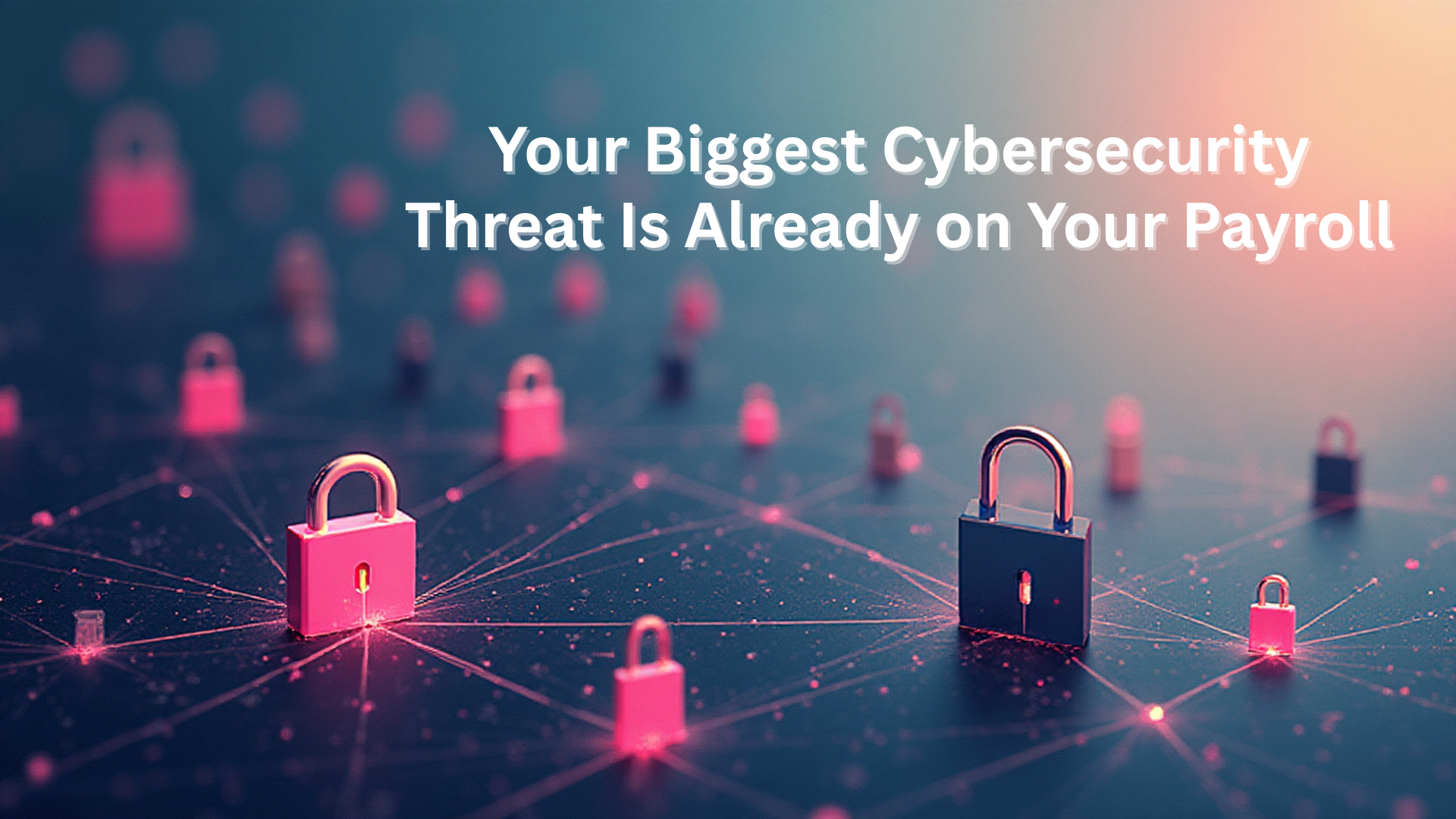

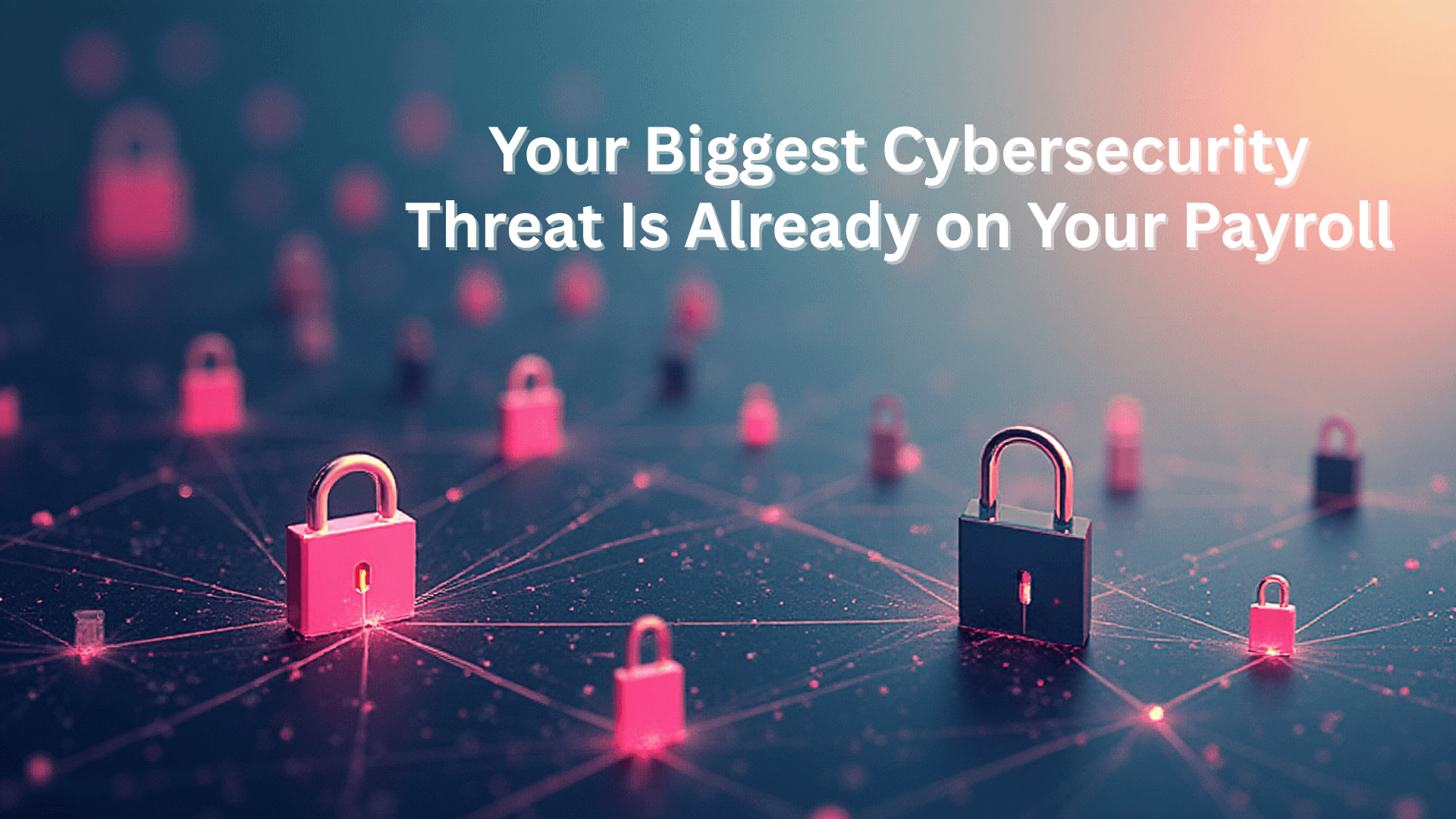
Why Cybersecurity Is a People Problem, Not Just a Technology One.
When most businesses think about cybersecurity, they think about technology.
- Firewalls.
- Antivirus software.
- Password tools.
- Servers and networks.
But in reality, your biggest cybersecurity risk is not your systems. It is your people.
The Uncomfortable Truth About Cybersecurity
Every staff member in your organization is a potential security risk, not because they are careless or malicious, but because most have never been trained to think about security. Cyber attacks today rarely start with “hacking the system.”
They start with:
- A staff member clicking a fake email
- A shared password sent via WhatsApp
- A document downloaded from an unknown source
- An ex-staff member still having access to systems
These are human actions, not system failures.
Why Cybersecurity Is a People Issue First
Technology only enforces rules
People decide whether those rules are followed.
You can install the best security software available, but if staff:
- Don’t recognize phishing emails
- Reuse passwords across platforms
- Share login details casually
- Use personal devices without protection
Your business remains exposed. Most breaches happen because “Someone didn’t know any better.”
Why Nigerian Businesses Are Especially Vulnerable
In many Nigerian SMEs and organizations:
- One person has access to everything
- Passwords are shared to “save time”
- There is no formal IT policy
- Staff learn tools informally from colleagues.
This creates a perfect environment for Data loss, Fraud, Ransomware attacks, Regulatory trouble, Reputational damage Cybercriminals know this, and they increasingly target SMEs, not just banks or large corporations.
Common Human-Driven Security Mistakes We See Often
At Sentral IT Solutions, these are some of the most frequent issues we encounter:
1. Password Sharing Staff share passwords “temporarily”, and forget to change them.
2. Phishing Emails Emails that look legitimate trick staff into clicking links or downloading files.
3. Excessive Access Staff have access to systems and data they don’t actually need.
4. No Exit Process Former staff still have access to email, files, or platforms months after leaving.
5. No Training or Awareness Security expectations are assumed, not taught.
What Smart Organizations Do Differently
Businesses that take cybersecurity seriously understand one thing: Security is a culture, not a tool.
They:
- Train staff regularly on basic cybersecurity awareness
- Define clear access levels (who can see what)
- Document security policies and procedures
- Treat data protection as a management responsibility
- Review access and systems periodically
These businesses experience fewer incidents, and recover faster when issues occur.
Cybersecurity Is Not About Mistrust
Many business owners hesitate to introduce controls because they fear it looks like mistrust.
In reality, “Seatbelts don’t mean you don’t trust the driver”, “Locks don’t mean you distrust your staff”.
Security controls exist to protect everyone, staff, management, and customers. Cybersecurity is about professionalism, not suspicion.
Where to Start (Without Overcomplicating Things)
You don’t need advanced tools to begin. Start with:
- Basic staff cybersecurity training
- Strong password policies
- Clear access rules
- Regular backups
- Simple incident response steps
Then build from there.
Final Thoughts
Cybersecurity is no longer optional. And it is no longer just an IT issue. If your business relies on data, systems, or digital communication, then your people must be part of your security strategy.
At Sentral IT Solutions, we help organizations combine, Technology, Processes, Staff awareness to build security that actually works in real business environments. If you’re concerned about cybersecurity in your organization, start with your people, that’s where real protection begins.
Sentral IT Solutions
Business Technology Solutions for Nigerian Organizations